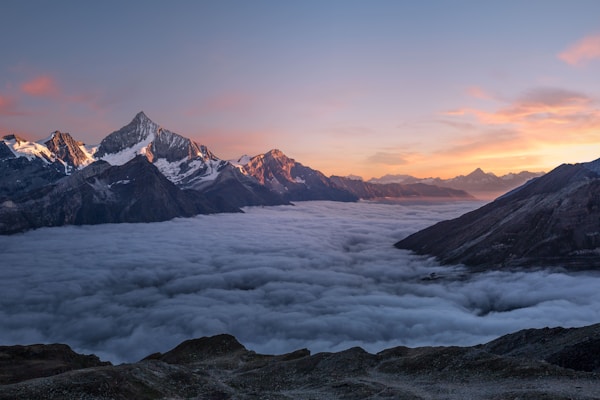
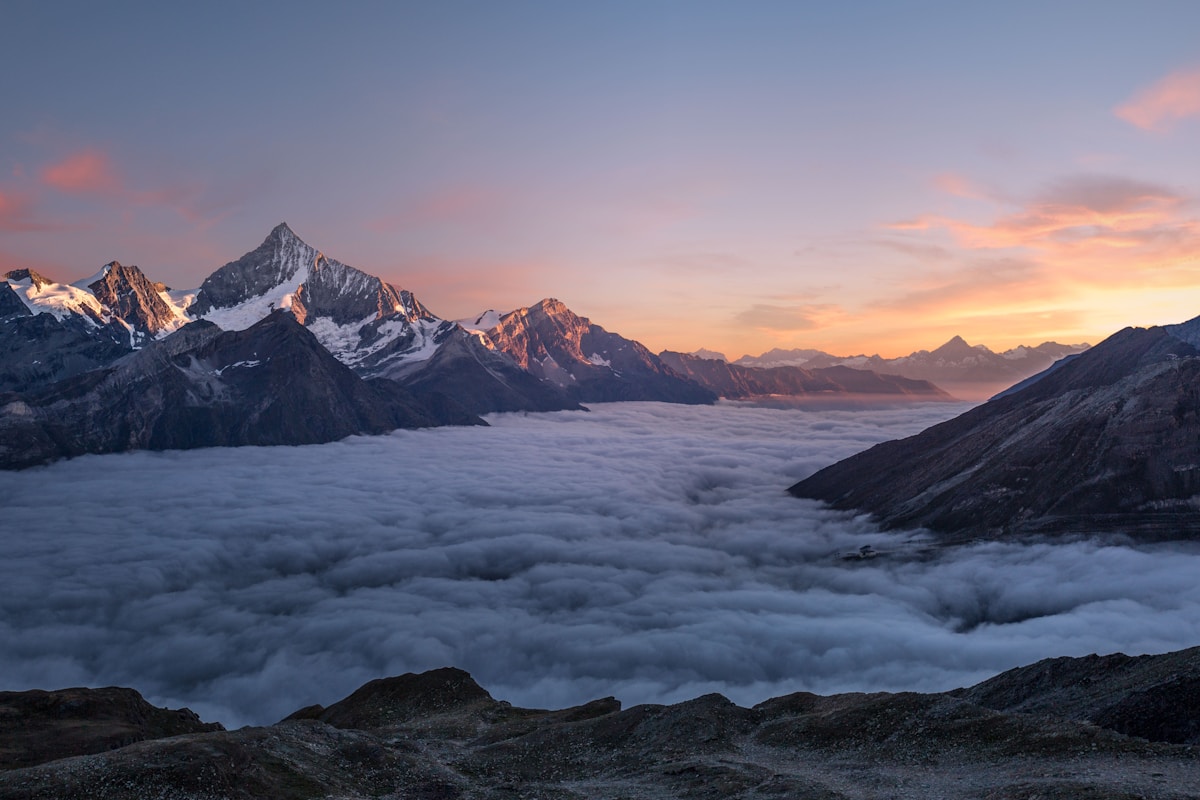
Nepal is a year-round destination, but it is emphatically not an any-month destination for trekking. The difference between trekking in October and trekking in July is the difference between the clearest mountain views on earth and impenetrable cloud, muddy trails, and leeches at every step. Choosing the right month for your Nepal trek is the single biggest variable in determining the quality of your experience.
This guide covers every major trekking season, matched to the most popular routes — so you can match your travel dates to the experience you are actually looking for.
Nepal's Four Seasons for Trekking
Autumn: October–November (Best Overall Season)
Autumn is Nepal's premium trekking season, and for good reason. The monsoon ends in late September, leaving the air literally washed clean of dust and haze. Mountain visibility in October and November is the best of the entire year — days when Everest, Lhotse, Makalu, Dhaulagiri, and Annapurna are simultaneously visible from a single ridge point are not uncommon.
Temperatures are ideal for trekking: daytime highs of 15–20°C at 3,000m, dropping to -5°C to -10°C at 5,000m at night. The trails are dry and in excellent condition following months of summer rain. Rhododendrons and high-altitude vegetation are at their greenest from the monsoon's moisture.
The trade-off: This is Nepal's busiest trekking season. The Everest Base Camp route in October can feel crowded — particularly around Namche Bazaar's lodges and the teahouses at Gorak Shep. Book accommodation and flights well in advance (3–4 months minimum for October starts).
Best for: EBC, Annapurna Circuit, ABC Trek, Langtang Valley, Manaslu Circuit, Upper Mustang
Spring: March–May (Best for Flowers and Expeditions)
Spring is the second main trekking season and the preferred time for mountaineering expeditions — Everest summit attempts predominantly happen in May, when the jet stream lifts off the summit creating a narrow weather window. For trekkers, spring offers warming temperatures and Nepal's most spectacular natural display: rhododendrons in bloom from 2,000–4,000m, covering entire hillsides in pink, red, and white from late February through April.
March and April are arguably warmer and more comfortable than October for trekking at mid-altitudes (3,000–4,000m). The downside: by late April and May, the pre-monsoon build-up begins. Afternoons increasingly cloud over. Visibility, while often excellent in the morning, deteriorates in the afternoons. May brings increasing instability and the first monsoon rains typically arrive in early June.
Best months within this window: March–early April for optimal stability; late April–May for rhododendrons at their peak and the mountaineering atmosphere around Base Camp
Best for: EBC (excellent in March–April, busy in May with expedition activity), Annapurna region treks, Poon Hill (rhododendrons spectacular), lower-altitude cultural treks
Winter: December–February (Cold but Crowd-Free)
Winter trekking in Nepal is genuinely viable and dramatically underrated — but it comes with real trade-offs that you must understand before choosing this window.
December and January bring cold, dry, stable weather. Mountain views are excellent — the air is clear and visibility can be extraordinary. But the cold is real: temperatures at altitude drop to -20°C or below at night at high-altitude teahouses. High passes (Thorong La on the Annapurna Circuit, Larkya La on the Manaslu Circuit) may be closed or require crampons due to snow and ice. Some teahouses at the highest elevations close for the season.
The advantages: trails are virtually empty. You may walk days between Namche and Gorak Shep without seeing other trekking groups. Teahouse owners are delighted to see you and service is personal. Prices are lower. The landscape is transformed by snow — beautiful and dramatic in a completely different way from the green autumn trails.
Suitable winter treks: Lower-altitude routes where high passes are not involved. Poon Hill is particularly popular in winter — the low altitude (max 3,210m) means conditions are manageable, and the snow-capped Annapurna views in winter clarity are outstanding. Langtang Valley to Kyanjin Gompa is also feasible, though cold and occasionally snowbound.
Avoid in winter: EBC (Khumbu teahouses are partially closed; the high-altitude sections are brutally cold), Annapurna Circuit (Thorong La can be impassable), Manaslu Circuit (same issue).
Monsoon: June–September (For Specialists Only)
Nepal's monsoon runs roughly June–September, with the heaviest rainfall in July and August. Standard trekking during full monsoon on the major routes is inadvisable for most trekkers: trails are often muddy and slippery, mountain views are obscured by cloud for days at a time, leeches are abundant in forested sections, and landslide risk increases.
However, there are two legitimate trekking options in the monsoon window:
- Rain-shadow areas: Upper Mustang and Dolpo sit north of the Himalayas in the Tibetan rain shadow. While the rest of Nepal is being drenched, these high desert regions receive minimal monsoon rainfall and offer unique brown-and-red landscape trekking under blue skies. The Upper Dolpo trek and Upper Mustang trek are specifically designed for the monsoon window.
- September: The tail end of monsoon. Rainfall decreases sharply in the second half of September, and some trekkers use this window to get ahead of the October crowds on the popular routes. Conditions are variable but can be excellent.
Month-by-Month Quick Reference
| Month | Season | Views | Crowds | Verdict |
|---|---|---|---|---|
| Jan | Winter | Excellent | Very low | Cold, quiet, lower routes only |
| Feb | Late winter | Excellent | Low | Warming up; rhododendrons begin |
| Mar | Spring | Excellent | Moderate | Excellent — warm, clear, flowers |
| Apr | Spring | Good | High | Excellent — peak flower season |
| May | Pre-monsoon | Variable | Very high (EBC) | Expedition season; afternoon clouds |
| Jun–Aug | Monsoon | Poor | Very low | Avoid most routes; Mustang/Dolpo ok |
| Sep | Late monsoon | Improving | Low | Good from mid-September onward |
| Oct | Autumn | Exceptional | Very high | Best overall — peak visibility |
| Nov | Autumn | Excellent | High, then dropping | Excellent — quieter than October |
| Dec | Early winter | Excellent | Low | Cold; lower routes only |
The Verdict by Trek
- Everest Base Camp: October–November or March–April. November has better teahouse availability than October. Avoid May (crowded, pre-monsoon instability).
- Annapurna Circuit: October–November or March–April. The Thorong La Pass is impassable in heavy snow (possible December–February).
- Poon Hill: Any time except June–August. December–February for snow views; March–April for rhododendrons.
- Langtang Valley: October–November or March–May. Close enough to Kathmandu to escape to lower altitude quickly if weather deteriorates.
- Upper Mustang: June–September (rain-shadow; the only major trek that is better in monsoon).
Frequently Asked Questions
What is the single best month to trek in Nepal?
October. Clear skies, dry trails, warm days, cool nights, and the highest visibility for mountain views. The trade-off is that it is also the busiest month — book well in advance.
Can I trek Nepal in December?
Yes, on lower-altitude routes. Poon Hill (3,210m) is excellent in December — quiet, clear, cold, and beautiful with snow on the peaks. EBC is not recommended unless you are experienced in cold-weather camping and have a flexible itinerary.
Is trekking safe during the monsoon?
On most standard routes, monsoon trekking carries increased risk from slippery trails, landslides, and swollen river crossings. It is not recommended for first-time Nepal trekkers. Exceptions: Upper Mustang, Upper Dolpo, and Spiti Valley (cross-border) are rain-shadow destinations specifically suited to the monsoon window.
How far in advance should I book for October trekking?
3–4 months minimum for the main routes (EBC, Annapurna Circuit). Teahouses in the most popular sections — particularly Gorak Shep and Namche Bazaar — can fill weeks in advance in October. Your operator handles teahouse bookings as part of the package; book your package early to secure preferred dates.